The Pharmacy Staffing Crisis Explained: Why Education and Credentialing Are the Real Solutions


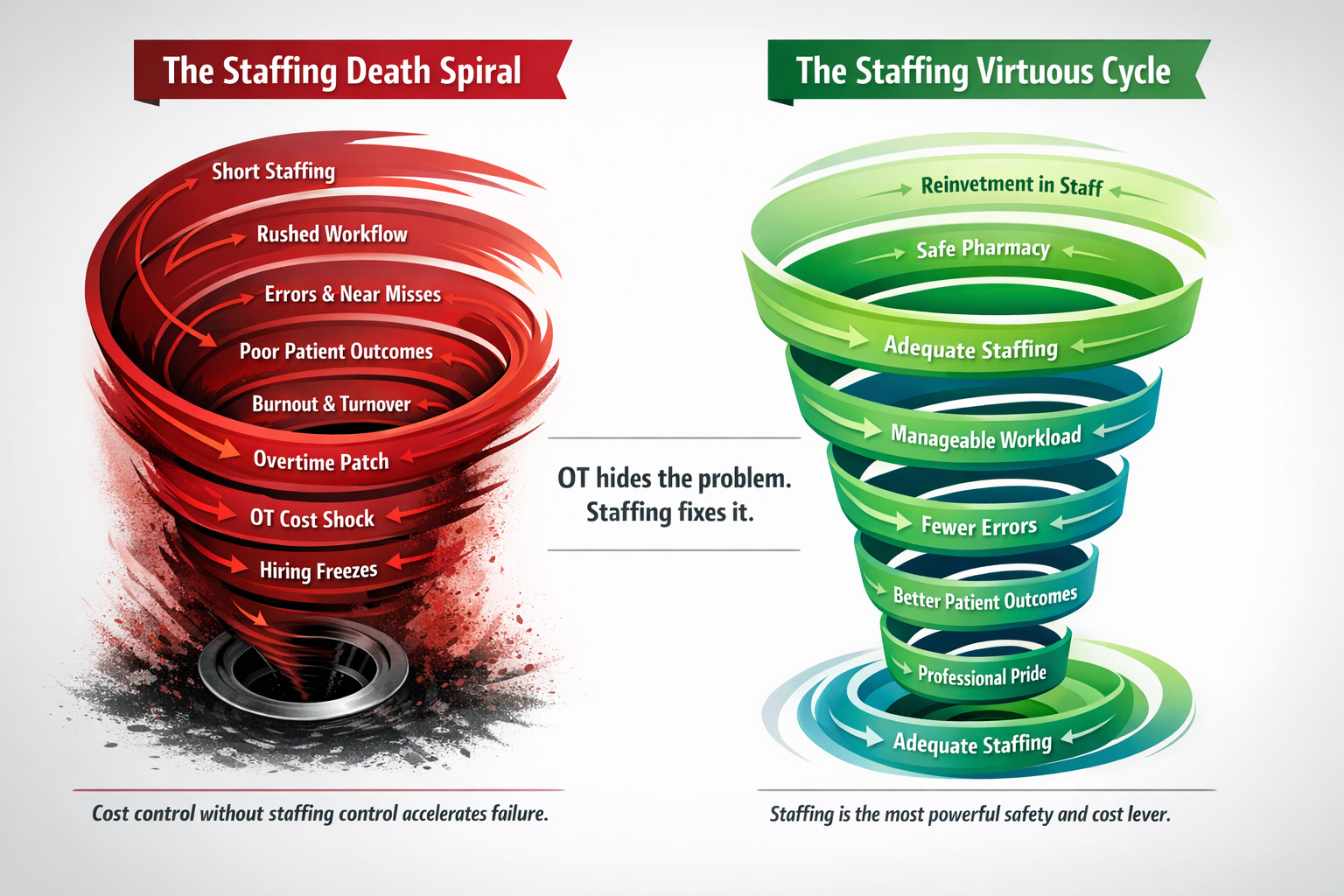
If you work in pharmacy, this image doesn’t feel abstract, it feels lived. Across retail, hospital, and health-system settings, pharmacy technicians are often caught in a cycle where short staffing leads to rushed workflows, rushed workflows increase errors and near misses, errors erode patient safety and trust, burnout accelerates, turnover rises, and overtime becomes the temporary fix. Eventually, costs spike, hiring freezes follow, and the cycle tightens even further. This isn’t a failure of dedication or work ethic. It’s a systems problem, one that relies too heavily on short-term patches instead of long-term solutions.

Pharmacy technicians are asked every day to do more with fewer resources, onboard new hires while already stretched thin, adapt to constant regulatory and technology changes, and remain patient-centered under intense time pressure. Overtime can hide these issues for a while, but it doesn’t resolve them. Research consistently shows that sustained understaffing and excessive workload are directly linked to higher error rates, increased turnover, and lower job satisfaction in pharmacy teams. At the same time, studies also show something encouraging: teams with adequate staffing, standardized training, and credentialed technicians experience fewer medication errors, stronger retention, and better patient outcomes.

The hopeful truth is that the cycle can be reversed. Adequate staffing creates manageable workloads. Manageable workloads reduce errors. Fewer errors improve patient outcomes. Better outcomes restore professional pride. Pride supports retention. Retention stabilizes staffing. Stability allows reinvestment in people. This “virtuous cycle” doesn’t happen by accident, it happens when organizations choose to invest upstream instead of reacting downstream.

Education plays a critical role in this shift. While education alone won’t solve staffing shortages, poor preparation almost guarantees they persist. Technicians who enter the workforce underprepared often require longer onboarding, place additional strain on experienced staff, and feel less confident navigating complex workflows. Conversely, technicians who are well trained, credentialed, and supported enter practice with confidence, contribute sooner, and help stabilize teams faster. Research has shown that structured training and credentialing are associated with improved accuracy, higher job satisfaction, and stronger professional identity among pharmacy technicians.

This is why education cannot be reduced to “passing an exam.” Education is about readiness. It’s about confidence under pressure. It’s about protecting patients, supporting colleagues, and sustaining the profession over time. At RxTechExam, our commitment as a PTCB-recognized education and training program is to prepare technicians not just to test well, but to practice well and to enter the workforce ready to contribute, learn, and grow. We see education as one of the earliest and most effective levers to strengthen pharmacy teams, reduce burnout, and improve outcomes.

Being a pharmacy technician can be demanding, and burnout is real. But so is progress. Investments in training, mentorship, staffing models, and professional recognition are showing measurable results across the industry. Technicians who feel prepared and valued are more likely to stay, advance, and advocate for their teams and patients. That matters, not just for individual careers, but for the health of our communities.

The staffing death spiral isn’t inevitable. Moving forward requires commitment, collaboration, and a willingness to invest in people early and intentionally. When we strengthen education, we strengthen teams. When we strengthen teams, we protect patients. And when we support pharmacy technicians, we build a profession capable of lasting well beyond the next shift.

Together we can. Together we will.

Wishing you continued success,

Dr. Abel Guevara III, CPhT-Adv


References

American Society of Health-System Pharmacists. (2022). ASHP national survey of pharmacy practice in hospital settings: Workforce and staffing. American Journal of Health-System Pharmacy, 79(14), 1152–1166. https://doi.org/10.1093/ajhp/zxac109

Health Resources and Services Administration. (2023). Health workforce projections: Allied health and pharmacy support occupations. U.S. Department of Health and Human Services. https://bhw.hrsa.gov

Institute for Safe Medication Practices. (2023). Workload, staffing, and safety in pharmacy practice. ISMP Medication Safety Alert. https://www.ismp.org

National Academy of Medicine. (2019). Taking action against clinician burnout: A systems approach to professional well-being. The National Academies Press. https://doi.org/10.17226/25521

Pharmacy Technician Certification Board. (2023). Role of credentialing in pharmacy technician workforce development. https://www.ptcb.org


RxTechExam 2025. Growth You Can Measure. Impact You Can Feel.

As 2025 comes to a close, RxTechExam reflects on a year defined by meaningful growth, strong outcomes, and measurable impact across the pharmacy technician workforce. This past year reinforced the critical role pharmacy technicians play in healthcare delivery and the importance of accessible, high-quality education to support their success. Through student achievement, community engagement, and expanding reach, RxTechExam continued to advance its mission of preparing confident, certified pharmacy professionals.

In 2025, nearly 6,000 new students enrolled in RxTechExam, representing approximately a 16 percent increase compared to the previous year. This growth expanded RxTechExam’s total reach to more than 25,000 pharmacy technicians trained since its founding. These enrollments reflect both the rising demand for certified pharmacy technicians nationwide and the trust students place in flexible, online education models that support career advancement while balancing work and life responsibilities.

Student outcomes remained a central focus throughout the year. More than 1,490 RxTechExam learners earned their Certified Pharmacy Technician (CPhT) credential in 2025, with students achieving an 83 percent pass rate on the Pharmacy Technician Certification Exam (PTCE). This performance exceeds the national average and highlights the effectiveness of RxTechExam’s PTCB-recognized curriculum, structured learning approach, and exam-focused preparation. These results demonstrate that when students are supported with clear content and purposeful instruction, certification success follows.

Engagement beyond the classroom also reached new levels in 2025. RxTechExam’s educational content generated tens of thousands of views across social media platforms, with organic Facebook reach peaking at nearly 1,000 views in a single day. RxTechExam also experienced continued growth and engagement on LinkedIn, where its professional audience expanded through consistent thought leadership, workforce development insights, and student success stories, further strengthening its visibility and credibility within the pharmacy and healthcare education community.

Equally meaningful was the continued positive feedback from students. Throughout the year, RxTechExam maintained strong five-star Google reviews, with learners frequently citing clarity of instruction, ease of navigation, and confidence gained when sitting for the PTCE. Many students credited RxTechExam with helping them pass the exam on their first attempt, reinforcing the value of outcomes-driven education built around student success.

Beyond metrics, 2025 reaffirmed RxTechExam’s broader commitment to workforce development. By supporting pharmacy technicians at every stage of their journey, from exam preparation to career advancement, RxTechExam contributes to safer medication practices, stronger pharmacy teams, and improved patient outcomes. Each certified technician represents not only personal achievement, but also a meaningful contribution to the healthcare system.

As RxTechExam looks ahead to 2026, the focus remains on expanding access to certification education, strengthening partnerships with employers and educators, and continuing to elevate the pharmacy technician profession nationwide. The data from 2025 tells a powerful story of progress, but it is the students, educators, and supporters behind the numbers who make the greatest impact. And RxTechExam remains proud to serve as a trusted partner in building the future of pharmacy. We also extend our sincere gratitude to RxTechExam Founder and CEO, Preston Davis, CPhT-Adv, whose vision, leadership, and unwavering commitment to pharmacy technician education continue to drive our mission forward.

Happy New Year to our tech-tacular phamily!


Wishing you continued success,

Dr. Abel Guevara III, CPhTAdv


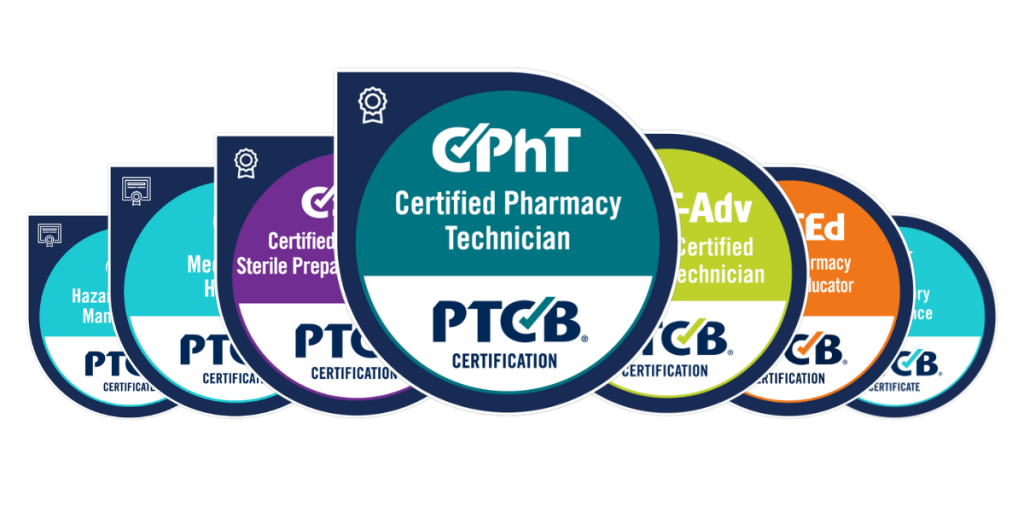
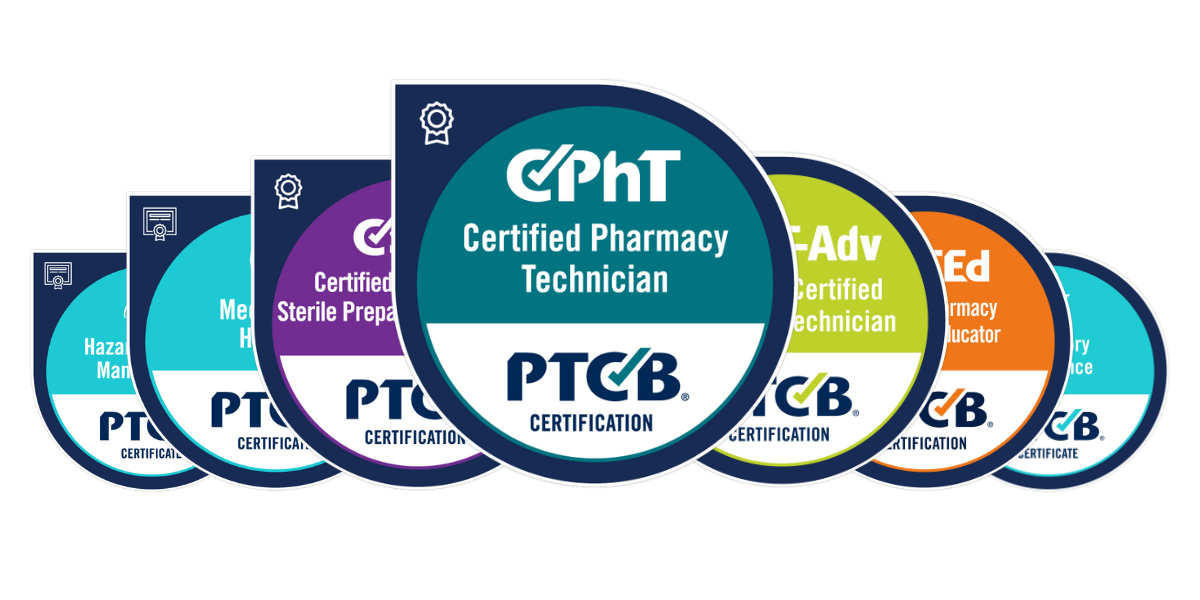
PTCB Badges

Credentialing is Essential for Pharmacy Technicians

Pharmacy technicians play a critical role in medication safety, workflow efficiency, and patient experience. As pharmacy practice becomes more complex, education and credentialing are no longer optional, they are essential to patient care. National certification ensures technicians have standardized knowledge in medication safety, pharmacy law, and quality assurance, all of which directly impact patient outcomes. When technicians are well trained, pharmacies operate more safely, efficiently, and consistently.

Research strongly supports this connection. A Pharmacy Technician Certification Board (PTCB) study found that certified pharmacy technicians (CPhT) demonstrate lower medication error rates and higher organizational commitment compared to non-certified technicians (PTCB, 2020). Medication safety remains a national concern, with the Institute of Medicine estimating that at least 1.5 million people are harmed by medication errors each year in the United States (Institute of Medicine, 2007).

Credentialing also improves workflow and patient access to care. When pharmacy technicians are properly educated and credentialed, pharmacists are able to spend more time on direct patient care services such as counseling, immunizations, and medication therapy management. This team-based approach improves operational efficiency, reduces dispensing delays, and enhances patient satisfaction (American Society of Health-System Pharmacists, n.d.).

Finally, credentialing improves pharmacy technician satisfaction, and engaged professionals deliver better care. Research shows that technician engagement and professional development are associated with improved performance, retention, and quality outcomes (Desselle et al., 2023). Education builds confidence, professional identity, and leadership within the technician role. At RxTechExam, we believe that when pharmacy technicians are educated, credentialed, and empowered, patients ultimately receive safer, higher-quality care.

Wishing you continued success,

Dr. Abel Guevara III, CPhT-Adv

PTCB Badges

Referenced Articles:

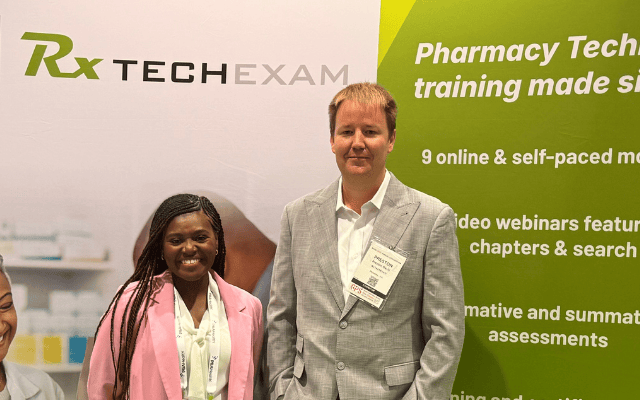
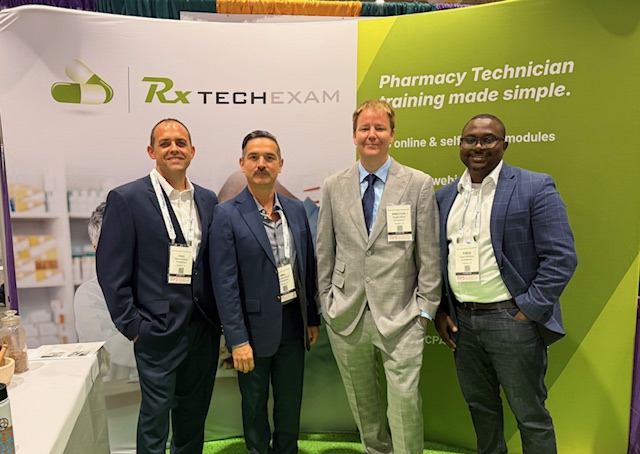
RxTechExam at the 2025 California Pharmacy Association Conference

Pharmacy Techs are Driven by Purpose

During this holiday season, a time defined by generosity, gratitude, and community, it feels especially fitting to highlight a powerful insight from new national research on pharmacy technicians.

A recent study surveying more than 500 nationally certified technicians found that among all the occupational values measured, one of the top three motivations for technicians was the ability to help others and make a positive impact on society. One of the findings includes, “the ability to help others and society.”

At RxTechExam, this finding resonates deeply with what we see every day in our students and graduates. Pharmacy technicians enter this profession not only for career opportunity, but because they care. They show up for patients on hard days, they serve as trusted guides in their communities, and they bring compassion to every interaction, often long before anyone notices and long after anyone sees.

This study confirms what we already know: Pharmacy technicians are driven by purpose. By people. By the chance to help.

As we enter the holiday season, we celebrate the incredible technicians who embody this spirit year-round. And we celebrate every student who chooses this path with the desire to uplift their families, support their communities, and contribute to better patient care.

At RxTechExam, we are honored to support a workforce powered by phamily and heart.

And we’re here, through training, encouragement, and community, to help every technician continue making the difference they’re called to make.

This season and always, thank you for choosing a profession rooted in service.


Wishing you continued success,

-Dr. Abel Guevara III


Referenced Article: https://www.sciencedirect.com/science/article/pii/S1544319125006235


PTCB Collaboration

Press Release

Since we launched in 2014, we’ve advocated that our students take the Pharmacy Technician Certification Board (PTCB) Certification Exam (PTCE). The PTCB is a non-profit organization run by passionate pharmacy technician advocates. Their examination is the industry standard for certification (CPhT).

In 2024, the PTCB and RxTechExam bundled our training, Official Practice Tools and Certification Exam  (PTCE) to simplify training and certification. Through that collaboration, RxTechExam students have had stellar results – an 83% PTCE pass rate in 2025. Additionally, we’ve found strong correlation between Pre-PTCE outcomes and PTCE performance.

“Our collaboration with RxTechExam reflects our shared commitment to elevating the role of pharmacy technicians through accessible, affordable, high-quality education and credentialing opportunities.”

William Schimmel, PTCB’s Executive Director and CEO

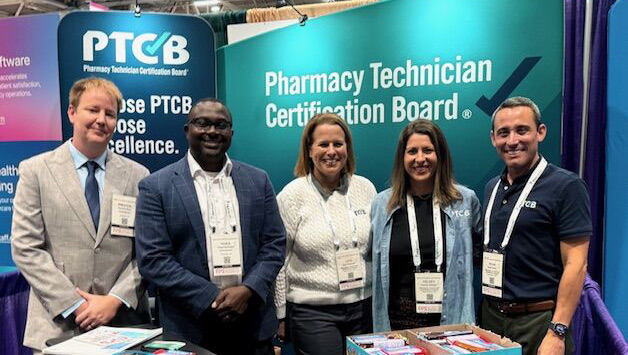
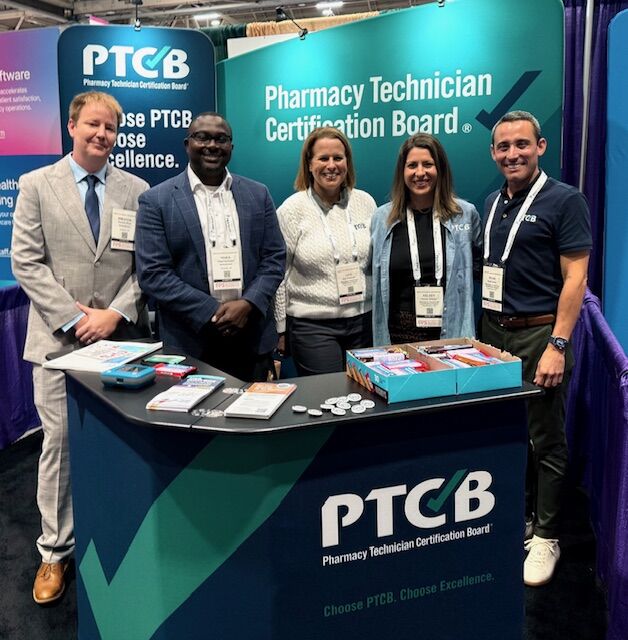
RxTechExam with PTCB at the 2025 NCPA Conference
RxTechExam founders Preston Davis and Yinka Ojutalayo with PTCB leaders – Liza Chapman, Kelsey Ohleger, and Ryan Burke.

The PTCB was the first certification organization for pharmacy technicians in the United States and with a history spanning nearly 30 years, PTCB is still the undisputed leader in credentialing pharmacy technicians across the country.

Mcleod Health

RxTechExam has worked with the Mcleod Health System since 2024, building a pipeline of technicians through their workforce development department. The 123CPhT course serves as a prerequisite for BOTH South Carolina licensure and the PTCB Certification Exam.

“This is a great opportunity for you to advance your career with McLeod Health by becoming a State Certified Pharmacy Technician. You’ll gain the tools and knowledge you need to succeed!”

Jernasia Gaskins, Workforce Development Coordinator, Mcleod Health

Other SC Partnerships

RxTechExam partners with each of the largest health systems in South Carolina – Mcleod Health and The Medical University of South Carolina (MUSC). Each utilize RxTechExam’s training in a unique way. At MUSC, it’s primarily offered to certify existing staff, while at Mcleod Health our course creates a pipeline of new technicians through workforce development. Additionally, RxTechExam enjoys a partnership with The South Carolina Pharmacy Association, who also endorses our online pharmacy technician training.

MUSC RxTechExam partnership

Medical University of South Carolina

RxTechExam works with the MUSC Health System providing technician training and path to state certification.  The 123CPhT course serves as a prerequisite for BOTH South Carolina licensure and the PTCB Certification Exam.

“RxTechExam supports our ongoing efforts to provide flexible, accessible, and comprehensive education for our pharmacy technicians.  Having and online option provides an avenue for our technicians to complete educational requirements and continue their professional development towards state certification – offering an option beyond our current in-person and on-site options. This option is ideal for technicians that have experience and prefer the self-paced model.”

Quinton Irick, System Pharmacy Technician Manager, MUSC Health

MUSC RxTechExam partnership

RxTechExam partners with each of the largest health systems in South Carolina – The Medical University of South Carolina (MUSC) and Mcleod Health each utilize RxTechExam’s training in a unique way. At MUSC, it’s primarily offered to certify existing staff, while at Mcleod Health our course creates a pipeline of new technicians through workforce development. Additionally, RxTechExam enjoys a partnership with The South Carolina Pharmacy Association, also endorsing our online pharmacy technician training.

Pennsylvania Pharmacists Association

Press Release

In early 2025, the RxTechExam partnered with the PPA to build a training program addressing new training requirements in Pennsylvania. Through that partnership, RxTechExam students benefit from the networking, CE, recognition and career support the PPA offers at the local level. Students are also empowered by a course that serves as a prerequisite for BOTH the Pennsylvania state registration and the PTCB Certification Exam.

“As the pharmacy landscape evolves, PPA remains committed to supporting pharmacy technicians, whose work is integral to the success of pharmacies across the state. This partnership with RxTechExam ensures that our technicians have access to top-tier education and the tools they need to succeed in their careers.”

Victoria Elliott, RPh, MBA, CAE, PPA CEO

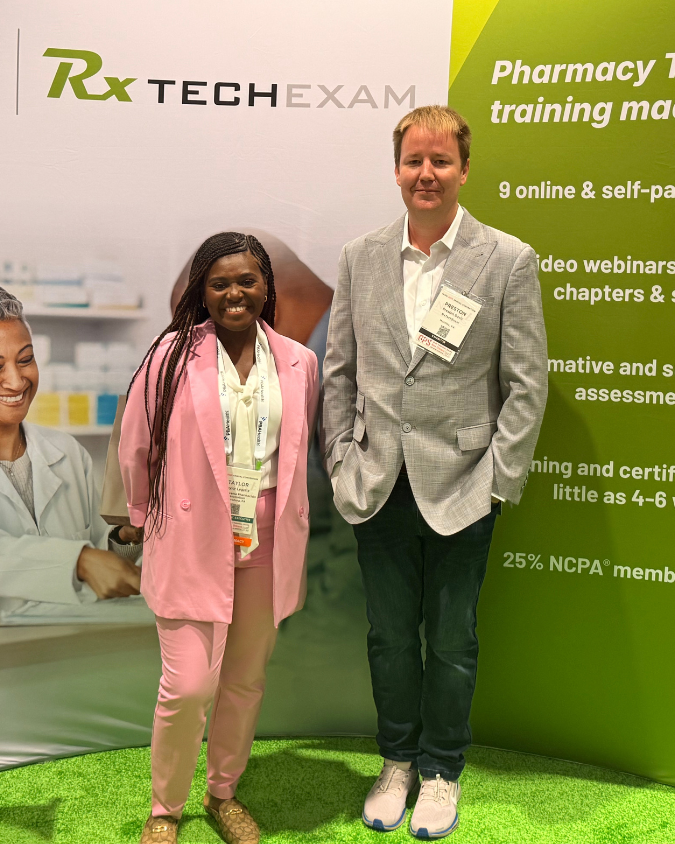
PPA and RxTechExam pictured at the NCPA Annual Conference 2025
Taylor Legette (PPA Director of Professional Practice) and Preston Davis (RxTechExam CEO) at the 2025 NCPA Annual Conference

Changes to Pennsylvania Pharmacy Technician Training in 2025

Put simply, by completing the RxTechExam course, you are eligible for PA registration. We handle all the assessment documentation and training verification from the PA Board of Pharmacy.

In June of 2025 NEW Pharmacy Technician Training standards were implemented into law. The Pennsylvania Board of Pharmacy now requires technician training! Here are all of the different training paths:

  1. Pharmacy Technician Certification Board (PTCB) Certification
  2. National Healthcareer Association (NHA) Certification
  3. A PTCB-recognized, NHA-recognized or other pharmacy technician education/training program recognized nationally for admission to the PTCB or NHA certification exams.
  4. A pharmacy technician training program that holds a current accreditation from the American Society of Health-System Pharmacists (ASHP) and Accreditation Council for Pharmacy Education (ACPE) or their successor.
  5. A pharmacy technician training program provided by an educational institution on whose pharmacy technician programs are nationally or regionally accredited by the U.S. Department of Education.
  6. A pharmacy technician training program provided by the United States Armed Forces.
  7. A pharmacy technician training program from a school licensed by the Pennsylvania State Board of Private Licensed Schools.

AT A MINIMUM, programs must cover the following domains, assess, and document assessments in all of the following areas of pharmacy practice:

  • Roles and responsibilities of the pharmacy technician.
  • Knowledge of prescription medications.
  • Knowledge of strengths or dose, dosage forms, physical appearance, routes of administration and duration of drug therapy.
  • The dispensing process.
  • Pharmaceutical calculations.
  • Interacting with patients.
  • Third-party procedures, payments and billing practices.
  • Compounding.
  • Confidentiality.
  • Requirements for preparing, labeling, dispensing, storing, prepackaging, distributing and administration of medications.
  • Hazardous drug handling and disposal.
  • Patient safety and error prevention strategies.
  • Diversion prevention.
  • Federal and State laws and regulations governing the practice of pharmacy.

The Pennsylvania Pharmacists Association joins the North Carolina Association of Pharmacists, South Carolina Pharmacy Association and the Louisiana Independent Pharmacist Association endorsing RxTechExam’s online pharmacy technician training.

ppa logo

The Pennsylvania Pharmacists Association is dedicated to advancing the practice of pharmacy in Pennsylvania, supporting pharmacists and technicians through advocacy, education, and resources.

South Carolina Pharmacy Association

Press Release

RxTechExam works with the SCPhA to build their technician membership and provide their member pharmacies a discount on technician training from RxTechExam. RxTechExam students benefit from the networking, CE, recognition and career support the SCPhA offers at the local level. The 123CPhT course serves as a prerequisite for BOTH South Carolina licensure and the PTCB Certification Exam.

“At SCPhA, we recognize that pharmacy technicians are an essential member of the healthcare team, and investing in their professional growth strengthens our ability to serve the patients and communities of South Carolina. By teaming up with RxTechExam, we are taking another step toward fulfilling our mission to advance the practice and science of pharmacy by fostering innovation and excellence.”

Brian Clark, SCPhA CEO

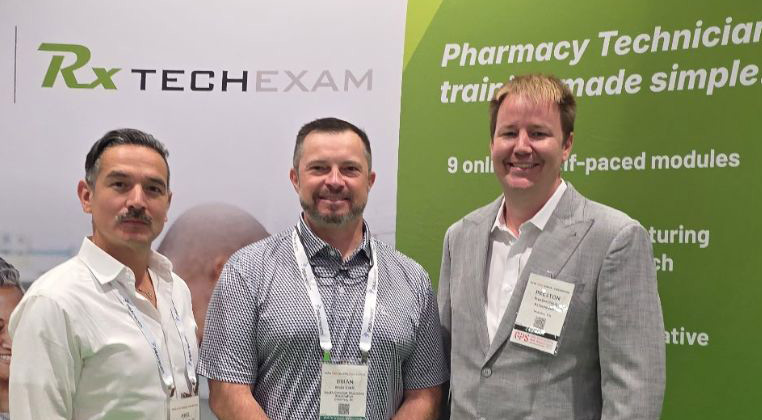
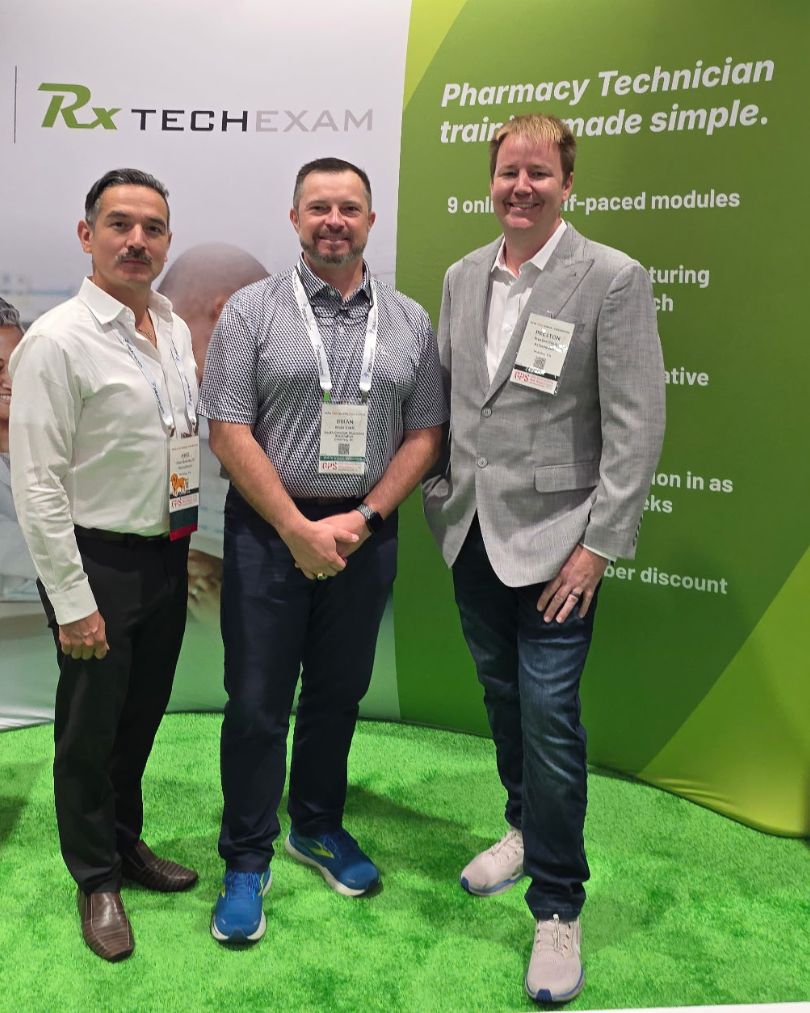
SCPA and RxTechExam together at NCPA 2025
Dr. Abel Guevara, Brian Clark, and Preston Davis at the 2025 National Community Pharmacists Association Conference.

RxTechExam provides training to the largest Health Systems in the state of South Carolina – the Medical University of South Carolina (MUSC) and Mcleod Health. The South Carolina Pharmacy Association joins the North Carolina Association of Pharmacists, Pennsylvania Pharmacy Association and the Louisiana Independent Pharmacist Association endorsing RxTechExam’s online pharmacy technician training.

The South Carolina Pharmacy Association (SCPhA) serves as the voice for pharmacy professionals throughout the state. Dedicated to advancing the practice and science of pharmacy, SCPhA supports pharmacists and pharmacy technicians through advocacy, continuing education, networking opportunities, and member-exclusive benefits. With a strong focus on innovation and excellence, the association is committed to improving patient care and strengthening the pharmacy profession across South Carolina.